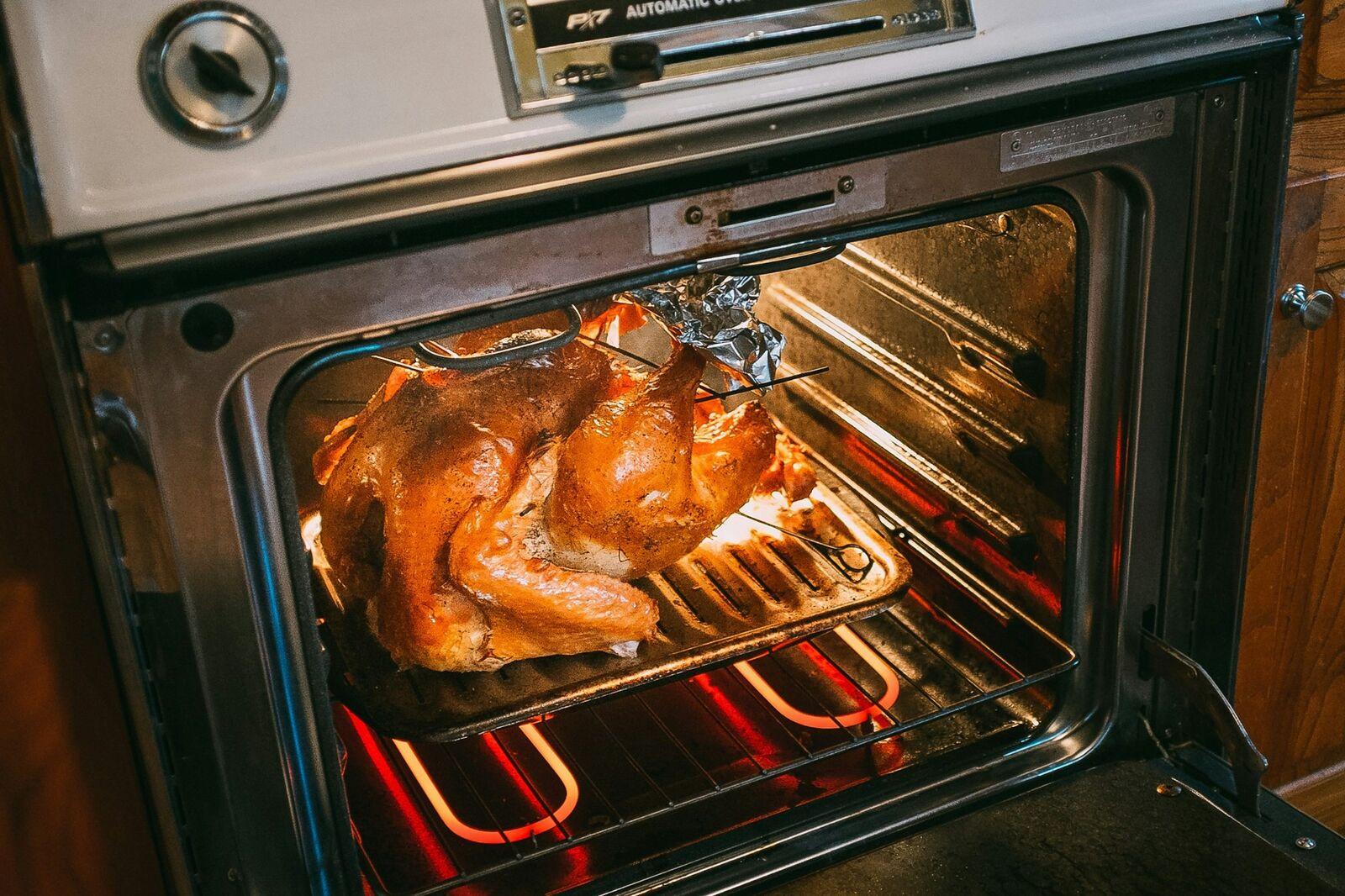
More home cooking fires happen on Thanksgiving than on any other day of the year. Fire departments responded to an estimated 1,139 home cooking fires on Thanksgiving Day 2024, which is 321% above a normal day, according to the National Fire Protection Association. Cooking equipment is involved in 80% of all fires reported that day.
If you are hosting in a house or apartment you rent, a little planning this week covers the four things that most often go wrong: the stove, the turkey, the drain, and the empty home while you travel.
1. Stay with the stove
NFPA says unattended cooking is the leading cause of home cooking fires and of the deaths they cause. The fix costs nothing: if a burner is on, someone stays in the kitchen. If you have to step out, turn the burner off.
A few more habits that matter on a crowded cooking day:
- Keep a lid next to the stove. If a pan of grease catches fire, slide the lid over it and turn off the burner. Leave it covered until it has cooled completely. Never throw water on a grease fire.
- Oven fire? Keep the door shut. Turn the oven off and leave the door closed until you are sure the fire is out.
- If it does not go out right away, leave. Get everyone outside, close the door behind you, and call 911 from outside.
- Skip the oil turkey fryer. NFPA "strongly discourages" turkey fryers that use cooking oil because of the burns and fires they cause. An oven, an air fryer or a store-bought fried turkey is the safer choice.
- Keep kids and pets three feet from the stove, and keep towels, oven mitts and food packaging away from the burners.
Test your smoke alarms today
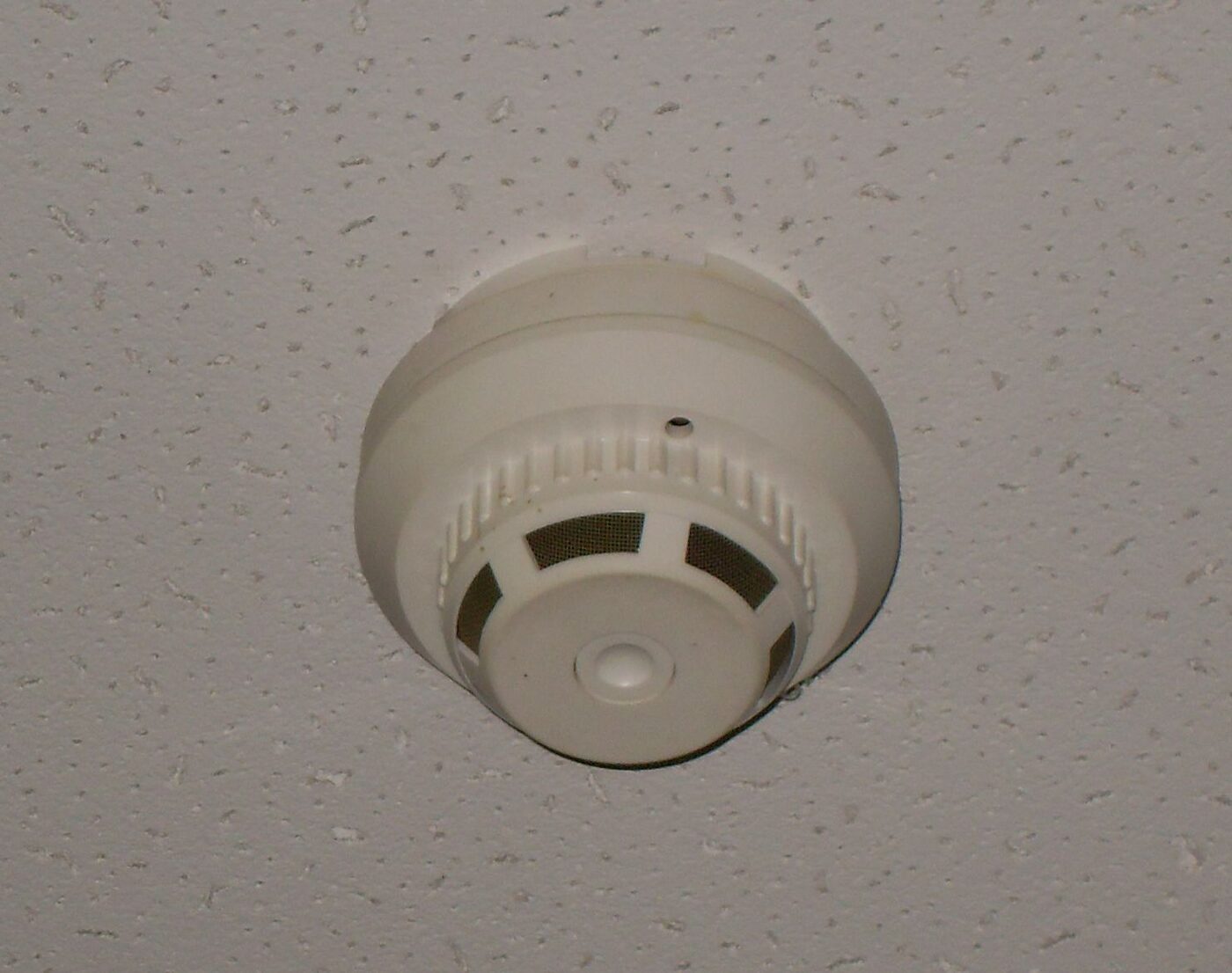
Nearly three out of five home fire deaths (59%) happen in homes with no smoke alarms or alarms that did not work, according to NFPA's smoke alarm research. NFPA recommends testing every alarm once a month.
Press the test button on each one. If an alarm stays silent, chirps, or is missing, report it to your landlord right away.
If cooking sets an alarm off, open a window and run the fan. Do not take the battery out. That is how alarms end up disabled on the one night they are needed.
2. Thaw and cook the turkey by the numbers
The U.S. Department of Agriculture's Thanksgiving guide is specific, and the thawing math is where most people get caught.
In the refrigerator: allow about 24 hours for every four to five pounds. For a Thursday dinner, that means:
- 12-pound turkey: about 3 days. In the fridge by Monday, November 23.
- 16-pound turkey: about 4 days. In the fridge by Sunday, November 22.
- 20-pound turkey: about 5 days. In the fridge by Saturday, November 21.
A thawed turkey is safe in the refrigerator for another one to two days, so starting early does no harm.
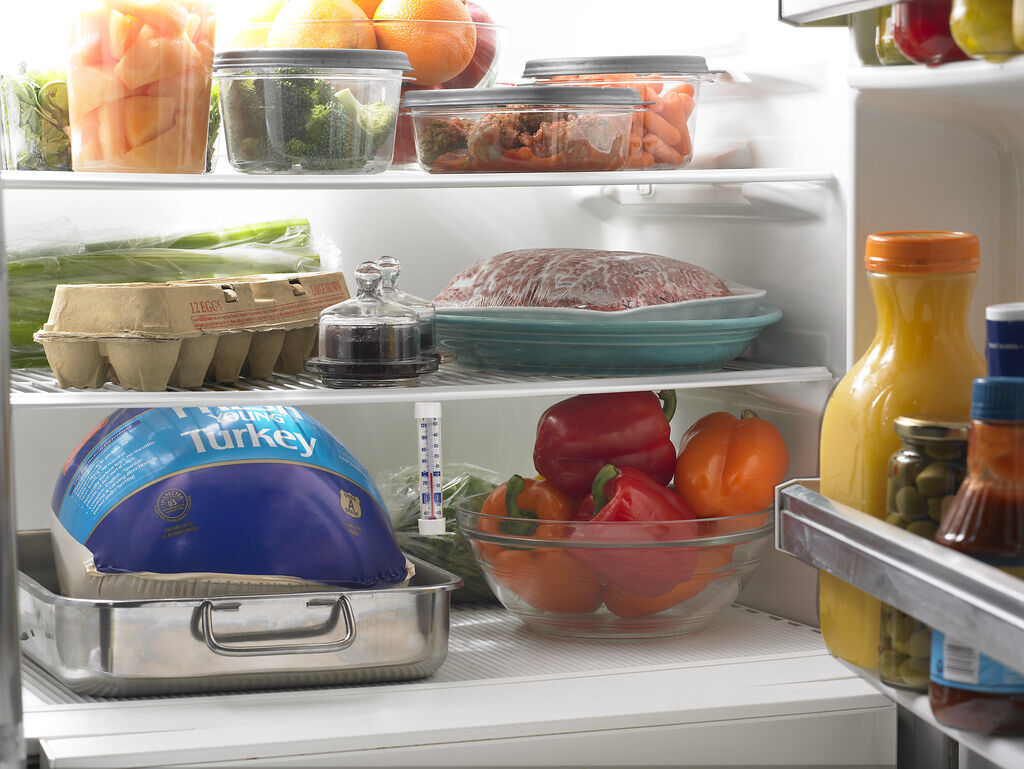
Running late? Use cold water. Submerge the wrapped turkey in cold water, allow 30 minutes per pound, and change the water every 30 minutes. A 16-pound bird takes about 8 hours, and it has to be cooked as soon as it is thawed.
Never thaw a turkey on the counter or in hot water. USDA says plainly that neither is safe.
The rest of the USDA checklist:
- Do not wash the raw turkey. Rinsing spreads bacteria around the sink and counters.
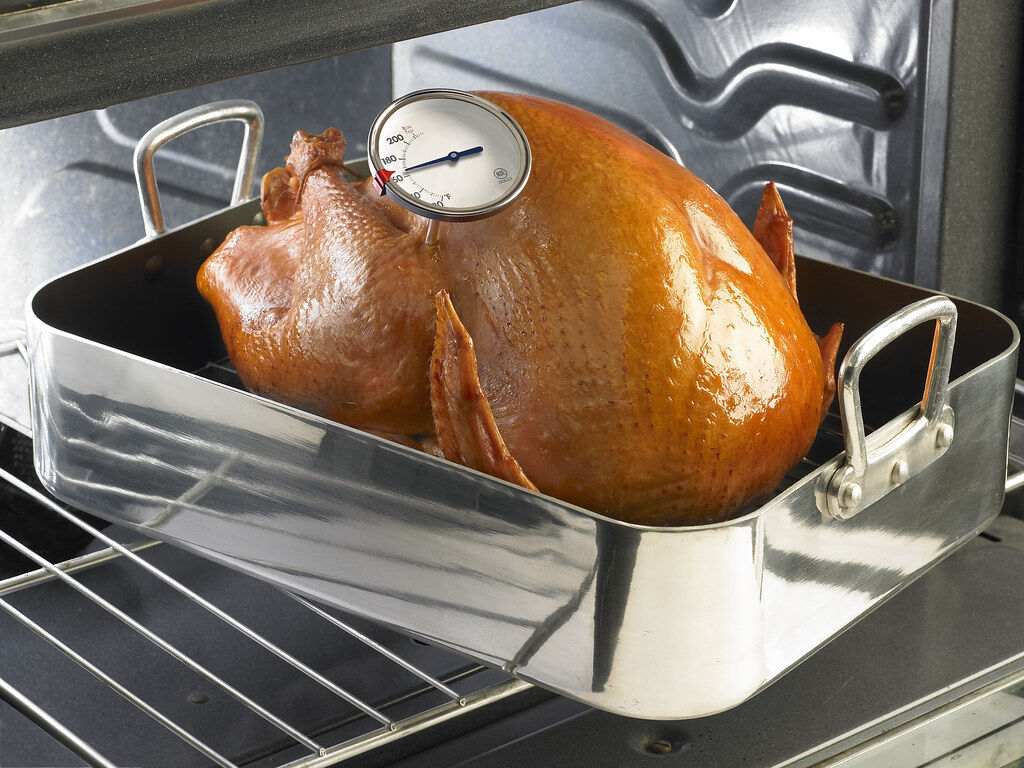
- Cook to 165°F. Check with a food thermometer in three places: the innermost part of the thigh, the innermost part of the wing, and the thickest part of the breast.
- Two-hour rule. Get leftovers into the refrigerator within two hours of serving.
- Four days. Leftovers are good in the fridge through the Monday after Thanksgiving. Freeze anything you will not eat by then.
Questions on the day? The USDA Meat and Poultry Hotline is 1-888-674-6854. It is staffed on Thanksgiving Day, November 26, from 8 a.m. to 2 p.m. Eastern.
3. Keep grease out of the drain
Roto-Rooter says it gets about 50% more service calls on the day after Thanksgiving than on an average Friday. Most of those calls trace back to what went down the kitchen sink the day before.
- Grease goes in a can, not the sink. The Northeast Ohio Regional Sewer District's advice is to pour it into a can, let it cool, and put it in the trash. Grease that goes down the sink collects in the drain line and causes clogs and back-ups.
- Go easy on the garbage disposal. Keep out poultry bones and skin, potato peels, celery, and large amounts of rice or pasta. Scrape plates into the trash first.
- Wipes are not flushable, whatever the package says. With a house full of guests, put a small trash can in the bathroom. NEORSD keeps a full list of what not to flush.
Ohio law makes tenants responsible for using plumbing fixtures properly (Ohio Revised Code 5321.05), so a grease clog is a repair worth avoiding. If a drain does back up, stop running water and report it right away. A slow drain is much cheaper to fix than an overflow.
4. Leaving town? Leave the heat on
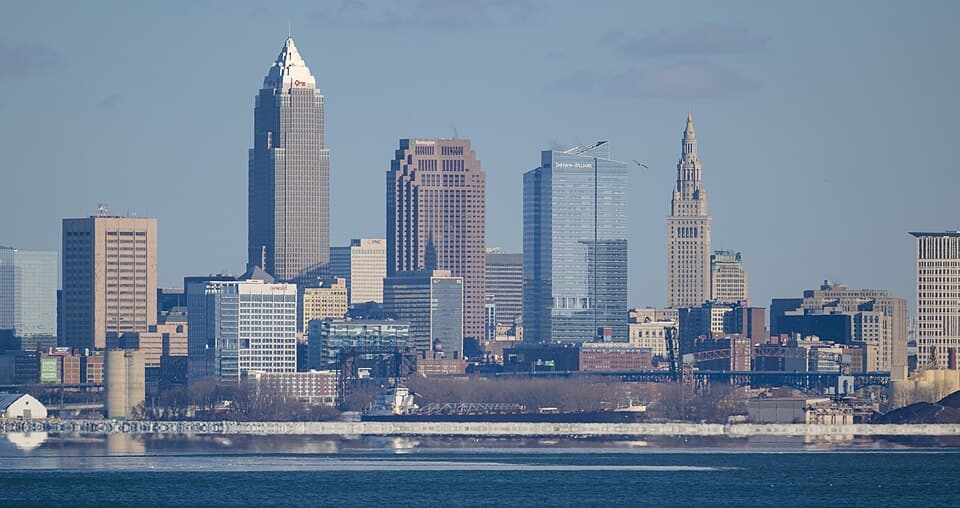
The normal low in Cleveland on November 26 is about 34°F, based on NOAA's climate normals for Cleveland Hopkins, and a cold snap can push it well below freezing. A frozen pipe that bursts in an empty home can run for days.
- Keep the thermostat at 55°F or higher. That is the minimum the American Red Cross and Cleveland Water both recommend when you are away. Turning the heat off to save money is the most expensive mistake on this list.
- Open the cabinet doors under sinks, especially on outside walls, so warm air reaches the pipes.
- Check the stove and oven are off, take out the trash, and lock the windows.
- Never use a gas oven or range to heat your home. The CDC warns that it can cause carbon monoxide poisoning. If your heat is not working, report it instead.
One more thing: renters insurance
Your landlord's insurance covers the building. It does not cover your furniture, clothes or electronics, and it does not pay for a hotel if a fire forces you out. A renters policy does all of that, plus liability if a fire that starts in your kitchen damages a neighbor's home.
In Ohio the average renters policy costs $163 a year, or less than $14 a month, according to NAIC data published by the Insurance Information Institute. For most households it is the cheapest protection on this page.
Have a safe, warm Thanksgiving from all of us at Milton PM.
Looking for a home in Greater Cleveland?
Milton PM manages quality family homes across Cleveland, Maple Heights, Garfield Heights, Cleveland Heights and surrounding communities. Get in touch with a real, local team.